Courts manage threat. Every pretrial decision is a harmonizing act in between the presumption of innocence and the requirement to make sure court appearances and public security. Bail bonds and pretrial services sit on either side of that range, typically viewed as rivals, in some cases as complements. In practice, they intersect regularly than many accuseds or households understand. Understanding where they overlap and where they split can conserve cash, lower threat, and keep a situation on track.
The legal background that forms both systems
Pretrial launch in the USA rests on two core ideas. First, individuals are assumed innocent and need to not be punished prior to a verdict. Second, courts need practical assurance that a defendant will appear and not commit brand-new criminal activities while the instance is pending. From those properties, states built different launch devices: recognizance, unsecured bonds, cash bond, surety bail through personal Bail Bonds companies, and managed launch with pretrial solutions agencies.
Constitutions and statutes established the boundaries. Many states call for that bail not be too much and that judges consider nonfinancial problems initially. Federal courts utilize the Bail Reform Act, which favors the least restrictive problems and depends heavily on pretrial services policemans for risk evaluation and monitoring. State courts vary commonly. Some jurisdictions restrict financial problems for low-level charges and lean on pretrial supervision. Others rely greatly on surety bail. Reform regulations over the last decade have actually pressed more screening and guidance to pretrial solutions, especially for misdemeanors and pacifist offenses.
Those legal rules establish that gets launch on recognizance, who lands in a monitored program, and that will certainly require a guaranty bond, yet there is still significant judicial discernment. That is where the communication begins.
A fast map of the gamers and their tools
Bail bail bondsmans are personal sureties. They publish a bond with the court for a cost, typically 10 percent of the bond quantity in numerous states, often much less in open markets or for repeat customers. If the accused stops working to appear, the court can waive the bond. The bail bondsman then has a monetary incentive to find the person, discuss a surrender, or pay the forfeiture. Bondsmen usually call for security, co-signers, or check-ins to manage their risk.
Pretrial solutions are public firms connected to the court. Their mandate is to analyze threat and provide supervision customized to that danger. Supervision can be light, like pointer calls and regular monthly coverage, or more intrusive, like GPS monitoring, curfews, or drug screening. Where readily available, they additionally attach accuseds to services such as treatment or real estate recommendations. Their utilize comes from court orders: if an offender breaches problems, the pretrial officer can notify the judge and advise sanctions or revocation.
Both stars take care of appearance and safety dangers, yet with various devices and incentives. Bondsmen monetize threat via charges and collateral. Pretrial agencies manage danger via testing, tips, and responsibility to the court. In many cases they function side by side on the same defendant.
How a regular situation flows
Picture a weeknight apprehension for a felony drug possession. The accused goes through booking, then a magistrate hearing. The court thinks about the fee, criminal history, ties to the community, and any kind of target problems. If pretrial services exists and has sufficient time, a pretrial police officer interviews the accused, validates info, and produces a quick evaluation. The judge may establish a $15,000 bond with problems: no drugs, drug testing, weekly reporting to pretrial solutions. The selection facing the offender is nor a bond or guidance. It is a bond and supervision.
In some regions, the court might instead buy supervised launch without financial conditions, pointing out the pretrial analysis. In others, the court establishes cash or guaranty bail without pretrial guidance. The middle ground prevails: a surety bond layered with guidance. The court watches the bond as a financial reward and pretrial services as a behavioral push and conformity check.
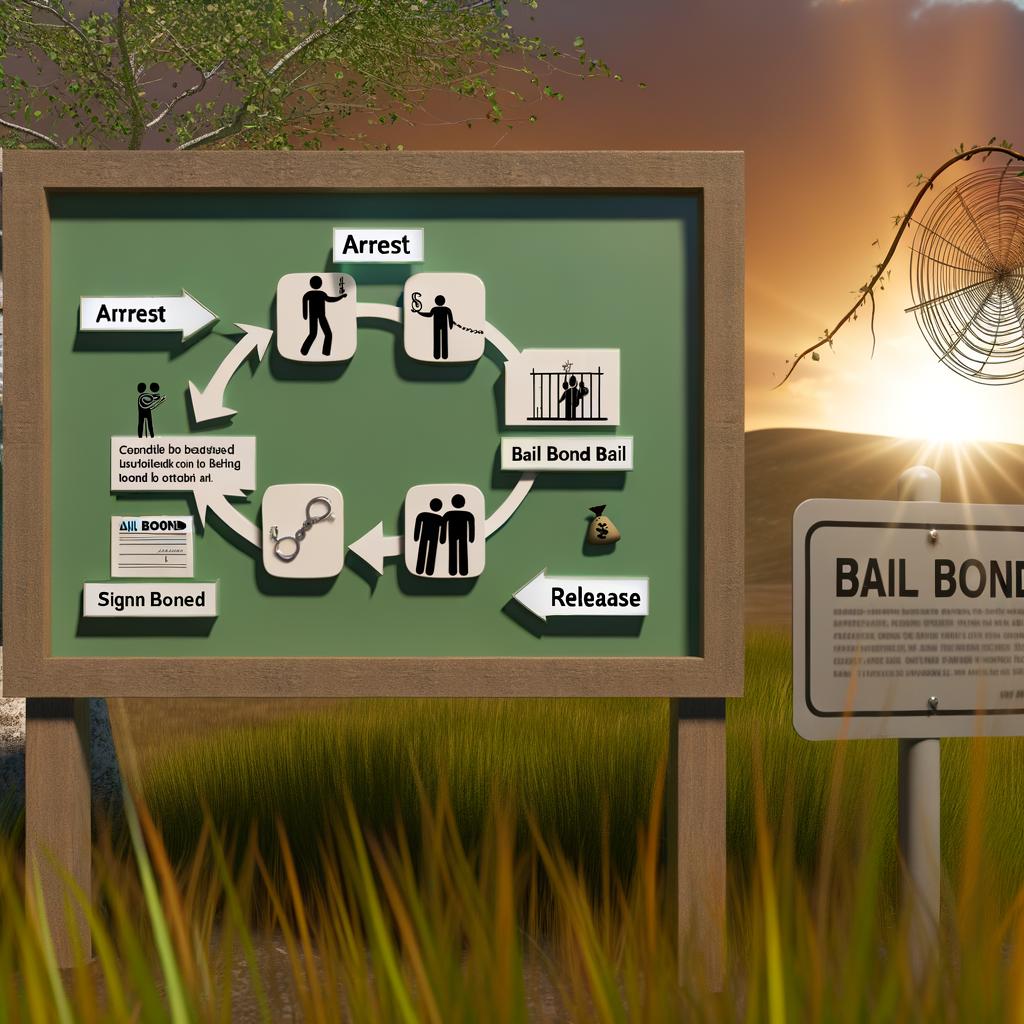
From that point, the defendant or family can call a bail bonds company to post the bond. The bail bondsman confirms work, residence, and co-signer capacity. If they authorize, they post the bond, the prison releases the defendant, and pretrial services schedules the very first check-in. Now there are 2 responsibility lines. The bondsman expects the offender to show up and follow any bond terms the firm sets. Pretrial solutions anticipates compliance with court-ordered problems. If either side detects an issue, each can cause effects, though the paths differ.
Where motivations align, and where they collide
When an offender phones call to claim they missed a bus and can not make their hearing, a bail bondsman wishes to preserve the bond and stay clear of a forfeit. A pretrial policeman wants the court to see great faith. Both gain from a fast strategy to reschedule or assist in transport if the jurisdiction permits. Because sense, their incentives align.
Tension arises when an accused slips on problems. A favorable drug examination, a time limit infraction, or a new offense apprehension can push pretrial services to recommend more stringent problems or cancellation. The bondsman stresses much less about those technological offenses, unless they signify flight danger or a pending remand. If a judge revokes release, the bondsman may be eased of future threat but encounters admin costs. Conversely, if the offender misses court and a bench warrant problems, the bondsman's exposure materializes, and the pretrial policeman's utilize reduces until surrender.
The healthy and balanced variation of this connection is pragmatic. Some pretrial companies will certainly get the phone and alert a bail bondsman to an impending failing to appear so the bail bondsman can motivate surrender prior to a forfeit hearing. Some bail bondsmans, specifically in smaller sized counties where connections are personal, will certainly remind customers of pretrial reporting demands and share worry about the policeman, within boundaries that secure privacy and stay clear of overreach. Others take a strictly compartmental approach. An accused can get captured between these 2 styles.
Risk analysis, money, and the equity debate
Pretrial launch has always been a justness discussion wrapped around a risk discussion. Cash-based bail can maintain low-risk, low-income offenders in jail while higher-risk offenders with money go out. Pretrial solutions arised to counter that problem by providing monitored launch based upon threat rather than wide range. Territories that use confirmed threat devices and strong court-reminder systems usually see appearance rates in the 80 to 90 percent range for low-risk categories without cash money bond, though rates differ by population and program top quality. Those numbers matter to judges evaluating whether to count on a bond, guidance, or both.
Bail bonds attend to a different injustice. Family members without instant accessibility to countless bucks in cash can still protect release by paying a smaller nonrefundable fee. For a $50,000 bond, a 10 percent costs is $5,000, even more attainable than publishing the total. The compromise is that the fee is shed even if the instance is rejected. If the court had wanted to release on recognizance with pretrial supervision, that $5,000 comes to be a sunk expense. The rub is that offenders seldom know at the prison home window whether the court would have approved nonfinancial conditions the following early morning. Timing and details crookedness drive decisions under stress.
From a systems viewpoint, the ideal is adjusted release. High-risk defendants obtain stringent guidance, often with economic problems or apprehension. Low-risk defendants get reminders and marginal conditions. Middle-risk defendants could be candidates for either a lowered guaranty bond or durable pretrial guidance. The lived truth is messier, shaped by neighborhood standards and court society. Defense attorney that know their courthouse can typically steer towards the smarter path.
The technicians of double supervision
When a court orders both a surety bond and pretrial guidance, defendants answer to two entities. This can be advantageous, but just if roles are clear.
Pretrial solutions focuses on court-ordered problems. Officers document conformity, verify employment or institution presence, and report infractions to the judge. Their orientation is public liability. They usually do not bill costs, though some territories analyze small costs for electronic surveillance or drug tests. Policemans can not forgive court dates. They can, nevertheless, suggest changes and procedure administrative changes that do not need a hearing in certain courts.
Bondsmen concentrate on look risk and financial direct exposure. They may call for check-ins by phone or in person. Some utilize text suggestions and general practitioners as component of their personal agreement. If a client becomes nonresponsive, the business escalates to co-signers, after that to recuperation efforts. Unlike pretrial services, a bail bondsman can exercise contractual civil liberties, including withdrawing the bond. Almost, that suggests surrendering the client back to safekeeping if they believe the threat has spiked beyond tolerable limits.
Clients require a rhythm. This can be as straightforward as setting a weekly schedule suggestion for both pretrial check-ins and bail bondsman get in touches with, keeping a solitary folder with court documents, and sharing updated get in touch with information with both celebrations. The accuseds that stumble are not typically harmful. They change contact number, action, or switch jobs and neglect to upgrade documents. In my experience, the best predictor of problem is silence. The 2nd is satisfaction. People afraid to confess a missed out on test or a shed task often tend to hide, which https://waylonzicv610.cavandoragh.org/bail-bonds-in-federal-court-treatments-and-costs produces a waterfall: missed phone calls, a missed out on hearing, after that a warrant.
What takes place when things go wrong
Consider a missed out on court day. The court problems a bench warrant. The staff sets a forfeiture timeline for the bond, commonly 30 to 180 days depending upon the jurisdiction. The bondsman has a clock going to produce the accused or encourage the court to allot the forfeiture. Pretrial solutions flags the nonappearance, and if the accused resurfaces promptly, might support a movement to suppress the warrant, specifically if there is a probable description. Courts are more flexible for a very first miss out on, especially if guidance files a timely activity and the accused appears at the following setting.
New arrests complicate whatever. A new cost can cause retraction hearings on the original situation. The court can raise bail, tighten supervision, or remand. Bondsmen reassess their exposure because a new instance raises the risk of making off. Pretrial policemans report the new apprehension and recommend adjustments based upon plan. If the brand-new charge is minor and the defendant self-reports, some courts maintain the initial structure undamaged to prevent unnecessary prison spin. Serious felonies change the equation.

Technical infractions sit in the grey location. A solitary favorable drug examination might result in a warning or a referral to therapy. 2 or three straight could cause a hearing and stricter problems like outpatient therapy or digital tracking. A curfew violation could trigger a modern technology check, then a permission if it duplicates. These incremental responses are the core benefit of pretrial solutions. Judges can dial problems up or down rather than relying on a solitary binary selection between freedom and jail. Bondsmen have fewer ranks. They can instructor, encourage, or withdraw, however they can not impose a graduated permission outside of their contract.
Communication that actually helps
Defendants commonly ask that to call first. The truthful answer: call guidance. Yet on the ground, particularly on weekend breaks or nights, the bondsman will likely address the phone quicker. Teamwork between both systems functions finest when each shares info that is relevant and prevents what is not. A pretrial policeman must know if a client is confessed to the health center and requires a one-week extension for a drug examination. A bail bondsman should recognize if the court relocated a listening to up by 3 days. Neither needs thorough treatment notes.

Defense attorneys can collaborate messaging. A short email to pretrial solutions, duplicated to the prosecutor when proper, that validates brand-new call info and demands a moderate modification goes a lengthy means. A quick contact us to the bondsman to flag a new job with a various change can protect against a mistaken presumption that the customer is evading telephone calls. Small, very early communications avert bigger issues down the road.
Costs, collateral, and the hidden math
Money drives decisions in silent means. For a household with $1,500 in financial savings, deciding whether to pay a 10 percent fee on a $10,000 bond or to wait overnight for a supervised recognizance hearing is not theoretical. Waiting ways one more evening behind bars, feasible job loss, and stress and anxiety in your home. Paying the cost suggests betting that the court would not have released the person without it. A lot of family members pick speed over optimization.
Collateral adds one more layer. Bondsmen typically take automobiles, jewelry, or a lien on a home as safety for bigger bonds. If the accused deals with compliance and the business speaks about cancellation, co-signers feel prompt monetary fear. That concern can be motivating, however it also produces stress that can fracture relationships. Pretrial solutions do not touch collateral, which makes them appear kinder, though they can still cause a remand. Each system imposes an expense: one monetary, the other liberty-related. Smart preparation attempts to reduce both.
There is also the cost of guidance. Electronic tracking can carry everyday costs in some territories, varying from under $10 to $20 or even more. Drug screening can be totally free via court agreements or cost out of pocket. Traveling limitations can cost chances, like out-of-state job. These are not line products many people anticipate at the bond hearing. Advice who sneak peek these costs assist customers avoid surprises.
Edge instances that examine the system
Multi-jurisdiction offenders produce headaches. If somebody has situations in 2 regions, a bond in one court could ram a warrant in another. The bondsman on the very first instance may not wish to post until the other warrant is removed. Pretrial solutions in the initial region can not manage an offender being in another region's prison. Sequencing issues. Clearing outstanding warrants prior to posting a major bond can save a costly cycle of release and rearrest.
Immigration holds make complex release too. If a jail notifies immigration authorities and a detainer is lodged, release on a bond can trigger transfer to government guardianship. Some bondsmen stay clear of uploading in those scenarios because the danger of absence in state court rises. Pretrial solutions might recommend versus nonfinancial launch if elimination impends. Defense counsel should weigh whether a quick appeal that time-serves the situation is much better than risking a detainer transfer that undermines both systems.
Violent criminal activities with victim input develop a various dynamic. Prosecutors may ask for stringent no-contact orders, GPS exclusion zones, and high bonds. Pretrial solutions can check the zones, but enforcement relies upon immediate informs and receptive law enforcement. Bondsmen in these instances concentrate largely on look due to the fact that public security problems sit outside their wheelhouse. Juries frequently layer both tools, utilizing a bond to develop economic leverage and pretrial solutions to enforce behavior boundaries.
Practical assistance for families and defendants
Here is a short checklist that mirrors lessons from the field.
- Ask guidance whether the court in your courtroom often uses supervised release without a financial bond for your charge kind, and whether waiting for that resolution is realistic. Clarify in creating what both the bondsman and pretrial services anticipate throughout the very first thirty days: reporting frequency, screening windows, time limit times, and travel limits. Keep all get in touch with factors current. When you change phones, numbers, companies, or addresses, notify both the bail bondsman and pretrial solutions the same day, and verify receipt. Build redundancy into pointers. Calendar notifies, text reminders, and one relied on relative who confirms days can protect against a missed appearance. When a slip happens, report it early with a plan. Possessing a mistake, paired with a concrete fix, usually results in a caution as opposed to a sanction.
Why courts layer both tools
Judges are gauged by failing spikes, not by the quiet bulk who abide. Adjustments to one lever can shift end results at the margins. A $5,000 guaranty bond removes some risk. Adding pretrial check-ins and suggestions lower forgetfulness. For a medium-risk offender with steady real estate however a background of missed appearances, the mix commonly delivers the most effective compliance rates. In courts that gather data, you will see a pattern: appearance boosts with robust reminders and early outreach, while public safety and security dangers react even more to targeted problems like stay-away orders and treatment terms. Economic bonds alone do not prevent brand-new offenses. Supervision alone does not constantly hold somebody with weak ties. Layering attempts to capture the toughness of both.
There is also a social piece. Courts are extra happy to decrease a bond after a month of clean pretrial supervision. I have actually seen $25,000 bonds cut in half or transformed to recognizance when an offender shows constant compliance, work, and therapy involvement. Bondsmen value those reductions, too, as they lighten direct exposure. Offenders that want that outcome ought to document compliance and ask advice to schedule a review hearing after 30 to 60 days.
Policy debates and what really occurs on the ground
Public discussions regarding bond reform often treat bail bonds and pretrial solutions as equally unique. Either we rely on private guaranties or we build public supervision capacity. The majority of court houses have currently combined both. The dispute that matters locally is not abstract. It has to do with resources and focus. Does the court invest in tip innovation that reduces failures to appear by 20 percent? Does it get prison beds for risky instances and fast-track releases for low-risk offenders within 24 hours? Does it established bonds at levels that show real danger instead of a default schedule?
Bail timetables still drive preliminary choices in several regions, specifically on weekend breaks. Pretrial services require staffing to run assessments promptly, and judges need versatility to depart from timetables when the data sustain it. Bondsmen prosper in that space by supplying prompt launch when the public system can not move fast sufficient. Faster pretrial analyses tighten the space, however they do not remove the demand for surety bonds in higher-risk or higher-stakes cases. The sensible goal ought to be calibration, not ideology.
The human factor
Behind every release plan is a person handling job, family members, and court obligations. Systems fail to remember that. A papa with a 5 a.m. building change can not make a 9 a.m. regular check-in without risking his work. A mother without a vehicle can not reach a screening facility two times a week across community. An university student can abide by geofencing yet requires authorization to take a teaching fellowship in a different county. Bondsmen can flex some needs, but court orders are court orders. Pretrial solutions can change routines or areas if asked early and in excellent faith.
Simple holiday accommodations matter. Evening reporting home windows. Video clip check-ins for those with validated transport barriers. Consolidated court settings rather than spreading hearings across several days. Many courts have implemented message suggestions, which continually decrease failures to show up. These are not high-ends. They are operational tweaks that make liability realistic.
What defense attorney can do to coordinate both systems
Good representation expects friction factors and solutions them prior to they become offenses. On the first day, counsel needs to collect get in touch with details for both the bondsman and the pretrial police officer. At the very first condition conference, guidance can request a composed information of problems, especially around testing frequency and traveling. If the customer safeguards a job, advise must submit a suggested order readjusting time limit or reporting times connected to a proven schedule.
When a violation happens, fast, transparent activity can save the release structure. Filing a motion to customize rather than awaiting a revocation hearing signals responsibility. Providing alternatives shows analytic: outpatient therapy instead of remand for drug use, or GPS for a curfew violation. Bondsmen appreciate these steps because they preserve stability and lower the chance of a bench warrant that jeopardizes the bond. Pretrial solutions frequently sustain the modifications if the plan specifies and credible.
Looking ahead: information and trust
The following stage of pretrial method is less about grand redesigns and more concerning using data to sharpen selections. Courts that track which mixes of conditions create the most effective appearance and safety and security end results for certain cost types will certainly make far better decisions. That proof can narrow the array where monetary bonds are essential and highlight where pretrial supervision accomplishes the same outcomes at lower cost.
Trust is the various other component. Pretrial services develop count on with defendants by being clear, easily accessible, and reasonable. Bondsmen build trust fund by being responsive, transparent regarding costs, and positive with pointers. Defense attorney construct depend on by clarifying trade-offs plainly and following up on promised movements. When these partnerships function, defendants are less most likely to ghost a hearing or conceal a trouble. They pick up the phone, which single act adjustments outcomes.
Final ideas for those dealing with the decision
The choice is seldom binary. In lots of courts, the most intelligent course is an organized release that utilizes both a bond and targeted pretrial problems, at least at the beginning. The bond uses monetary leverage that comforts the court. Pretrial solutions provide the scaffolding that keeps day-to-day live from knocking an instance off track. After a month or more of clean compliance, ask for a step-down: reduced bond, lighter conditions, fewer check-ins. Judges are a lot more responsive when performance speaks for itself.
Bail bonds and pretrial services are two devices aimed at the very same objectives: obtaining people back to court and keeping neighborhoods risk-free while situations relocate with the system. They interact constantly, sometimes awkwardly, sometimes perfectly. If you recognize how they line up and where they vary, you can chart a release strategy that appreciates both, handles danger, and gives the case the very best possibility to end up without a misstep.
ABBA Bail Bonds 900 Avila St STE 101 Los Angeles, CA 90012 (213) 296-0901 https://abbabailbonds.com